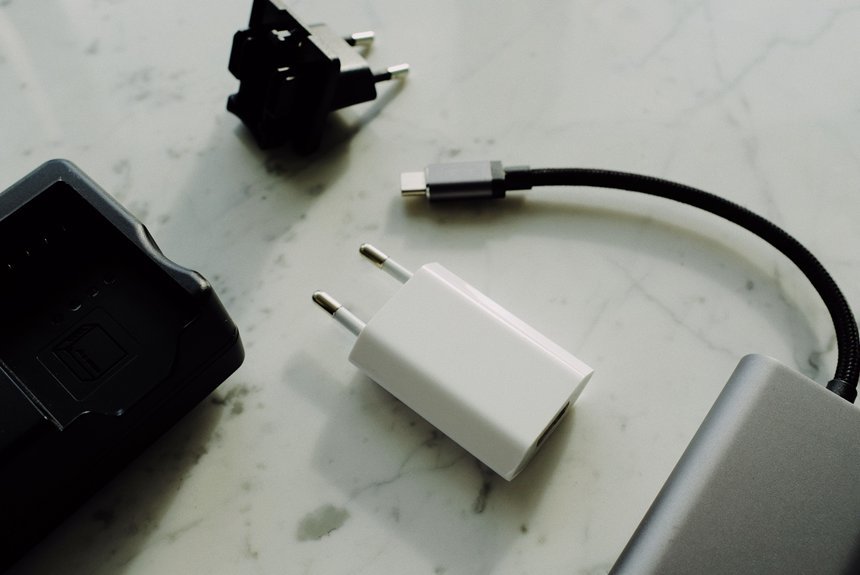
A Rocksmith cable alternative refers to any method that connects a guitar to a computer or console for Rocksmith or similar software without the official USB cable. Solutions include USB adapters, DIY interfaces, and wireless options designed to preserve latency and audio quality. They offer varied hardware choices, potential cost savings, and reduced vendor lock-in. The balance between latency, reliability, and compatibility matters, and the best option depends on the user’s gear and goals for a smooth experience ahead.
What Is a Rocksmith Cable Alternative?
A Rocksmith cable alternative refers to any method or device that connects a guitar to a computer or gaming console for use with Rocksmith or similar learning software, without relying on the official Rocksmith USB cable.
The term encompasses rocksmith alternatives and cable options that preserve latency, compatibility, and audio fidelity, while enabling flexible hardware choices for a focused, freedom-loving user base.
How Different Solutions Work (Usb Adapters, DIY, Bluetooth)
Different solutions for connecting a guitar to a computer or console work through three primary approaches: USB adapters, DIY interfaces, and wireless options like Bluetooth. These methods address controller compatibility and latency budgeting by balancing signal fidelity, timing, and ease of setup.
USB offers plug-and-play reliability
DIY grants customization
Bluetooth emphasizes mobility while accepting potential jitter and occasional dropouts.
How to Choose the Right Option for You
Choosing the right option depends on the user’s priorities and setup constraints.
A practical evaluation compares compatibility, reliability, and cost, then weighs latency reduction expectations against hardware limits.
The decision should favor a rocksmith cable solution that aligns with existing gear and data from tests, while ensuring ease of use and future-proofing for updates.
Precision and clarity drive informed, freedom-oriented choices.
Tips for Minimizing Latency and Getting Smooth Play
Latency matters most during play, so practical steps focus on reducing input delay, aligning hardware, and smoothing data flow to ensure immediate feedback.
The piece outlines actionable tips for latency, including driver updates, buffer adjustments, and USB path checks, while noting budget options for affordable improvements.
A disciplined setup mindset helps players achieve consistent, responsive performance without unnecessary complexity or cost.
Frequently Asked Questions
Are Rocksmith Alternatives Compatible With All Guitars and Setups?
Rocksmith compatibility varies; not all alternatives cover every guitar. They support many setups, but users should verify input types, impedance, and latency. The goal is setup versatility, enabling broad instrument choice while maintaining reliable performance and freedom to configure.
Do These Options Require Drivers or Additional Software?
Yes, some options require drivers or software; users should verify compatibility. Drivers may be needed for detection, while software handles tone or input. The approach emphasizes precise setup details, aiding freedom-loving musicians to configure efficiently and independently.
Can I Use a Rocksmith Cable Alternative for Real-Time Tuning?
Yes, a Rocksmith cable alternative can be used for real time tuning; however, latency comparison varies by device. Users should evaluate input lag, jitter, and driver optimization to ensure stable real time tuning suitable for freedom-loving performers.
How Do I Compare Latency Across Different Solution Types?
Opening with a simile, latency measurement reveals differences: one solution may excel in jitter and stability. This audit-friendly summary weighs latency measurement and connectivity standards, guiding freedom-seeking users to compare timing across solution types with precision.
What Are the Long-Term Costs of Each Alternative?
Rocksmith alternatives incur varying long-term costs, including upfront hardware, software licenses, and potential subscription fees; Cost comparisons show some options costlier initially but cheaper over time, while others front-load fewer expenses yet accumulate ongoing charges.
Conclusion
A Rocksmith cable alternative encompasses any method that links a guitar to a computer or console for Rocksmith-like software without the official USB cable, including USB adapters, DIY interfaces, and wireless methods. These alternatives vary in latency, fidelity, and cost, offering flexible gear options and reducing vendor lock-in. Choosing the right solution hinges on system compatibility and budget. An interesting stat: latency under 20 ms is often perceived as instantaneous by players, helping keep reaction times aligned with on-screen cues. This nuance shapes practical, audit-ready decisions.