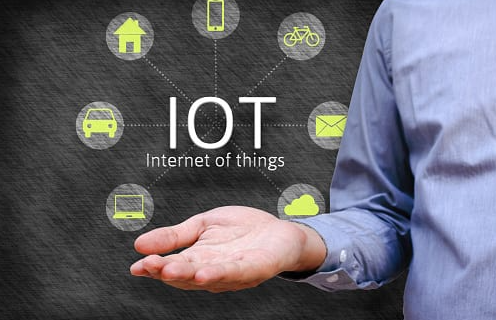
The Internet of Things (IoT) presents a dual-edged sword of significant advantages and considerable challenges. On one hand, it enhances efficiency and enables real-time data monitoring across various sectors. Conversely, the proliferation of connected devices raises serious concerns regarding privacy and data security. As technological advancements continue, the balance between leveraging its benefits and mitigating associated risks becomes increasingly critical. Understanding these dynamics is essential for navigating the future landscape of IoT technology.
Advantages of IoT Technology
Although the Internet of Things (IoT) may seem like a modern novelty, its advantages extend far beyond mere convenience, fundamentally transforming various sectors.
In the realm of smart homes, IoT devices enhance security and energy efficiency.
Meanwhile, healthcare innovation is propelled by connected devices that enable real-time monitoring and data analytics, fostering proactive patient care and improved health outcomes, ultimately promoting individual autonomy.
See also: bellesturf
Enhanced Efficiency and Automation
The integration of IoT technology significantly enhances efficiency and automation across multiple industries.
In smart homes, IoT devices optimize energy consumption and streamline daily tasks.
Similarly, industrial automation leverages connected systems to monitor processes, reducing downtime and improving productivity.
These advancements not only empower individuals and businesses to operate more effectively but also foster a culture of innovation and adaptability within the evolving digital landscape.
Privacy and Security Concerns
As IoT devices proliferate, concerns regarding privacy and security have come to the forefront, prompting critical analysis of their implications.
Data breaches pose substantial risks, potentially exposing sensitive information without user consent. This raises questions about data governance and individual rights, as users may unknowingly relinquish control over their personal data.
Effective security measures and transparent consent protocols are essential to mitigate these risks.
Future Trends and Considerations
While the Internet of Things (IoT) continues to evolve, emerging trends indicate a significant shift towards increased interoperability and integration among devices.
This evolution is particularly evident in the development of smart cities, where interconnected systems enhance urban living.
Additionally, wearable devices are becoming more sophisticated, enabling personalized health monitoring and data exchange, ultimately fostering greater individual autonomy and improved quality of life.
Conclusion
In summary, the Internet of Things presents a dichotomy of significant advantages and inherent risks. While enhanced efficiency and real-time monitoring promise transformative benefits, the challenges of data privacy and security cannot be overlooked. As society increasingly relies on interconnected devices, how can we strike a balance between innovation and safeguarding personal information? Ultimately, the responsible management of IoT technology will be crucial in fostering user trust and maximizing its potential in everyday life.