Infinite Flow 621129463 Digital Optimization integrates data lineage, real-time analytics, and automated workflows to sustain performance gains. The framework emphasizes measurable, incremental improvements within transparent governance. It translates streams into action through dashboards and repeatable cycles that balance risk with opportunity. By aligning resources to strategic aims and enabling proactive leadership, it invites scrutiny of the next move as outcomes unfold. The question remains: what concrete steps will realize the next phase of value?
Infinite Flow Digital Optimization: What It Is and Why It Matters
Infinite Flow Digital Optimization refers to a structured, data-driven approach that continuously enhances digital systems and processes to maximize performance, efficiency, and value.
It emphasizes incremental governance and robust data lineage to sustain transparency, traceability, and accountability.
Decision-makers gain measurable insights, align resources with strategic goals, and pursue disciplined innovation, balancing risk with opportunity while preserving freedom through repeatable, scalable optimization cycles and disciplined governance.
Real-Time Analytics: Turning Streams Into Actionable Wins
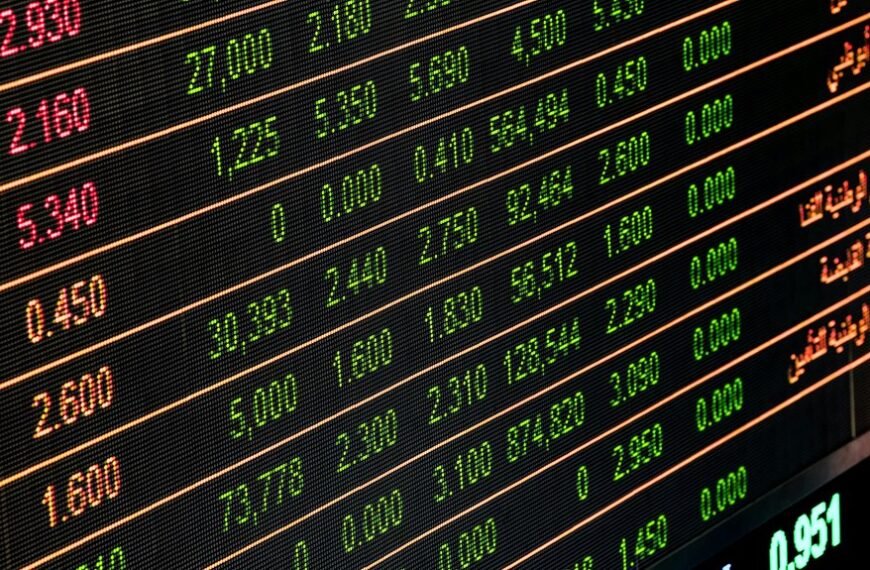
Real-Time Analytics translates continuous data streams into immediate, decision-ready insights, enabling organizations to detect anomalies, forecast demand, and optimize operations as events unfold rather than after the fact.
It emphasizes data pipelines, anomaly detection, and real time dashboards within an event driven architecture, guiding strategic responses.
This approach supports freedom-oriented leadership by delivering precise, timely, actionable intelligence.
Automating the Mundane: Boosting Efficiency Without Sacrificing Quality
Automating the Mundane: Boosting Efficiency Without Sacrificing Quality examines how routine, repetitive tasks can be streamlined through disciplined automation while preserving output integrity. The analysis measures throughput gains, error rates, and governance controls, illustrating scalable workflows that support scaling governance and preserve error resilience. Decision matrices compare tooling, adoption timelines, and risk, yielding a strategic blueprint for reliable, freedom-oriented productivity gains.
From Predictive Models to Immersive Dashboards: The Tools in Practice
From predictive models to immersive dashboards, practitioners translate statistical insight into operational visibility, aligning model outputs with decision workflows through integrated visualization layers.
In practice, predictive dashboards fuse forecasts with real-time signals, enabling proactive decisions.
Immersive analytics harness interactive interfaces and contextual narratives, transforming data into actionable routes.
The approach emphasizes transparency, traceability, and agility while supporting freedom to explore alternative scenarios and outcomes.
Conclusion
In sum, Infinite Flow Digital Optimization leverages data lineage and real-time analytics to drive disciplined, incremental gains. The approach translates streams into rapid, decision-ready actions while automating mundane tasks to sustain quality at scale. An intriguing statistic underscores its value: organizations deploying continuous governance report up to 30% faster anomaly detection and 25% shorter cycle times. By coupling immersive dashboards with repeatable processes, the framework aligns strategic goals with measurable outcomes, sustaining accountability and proactive leadership.