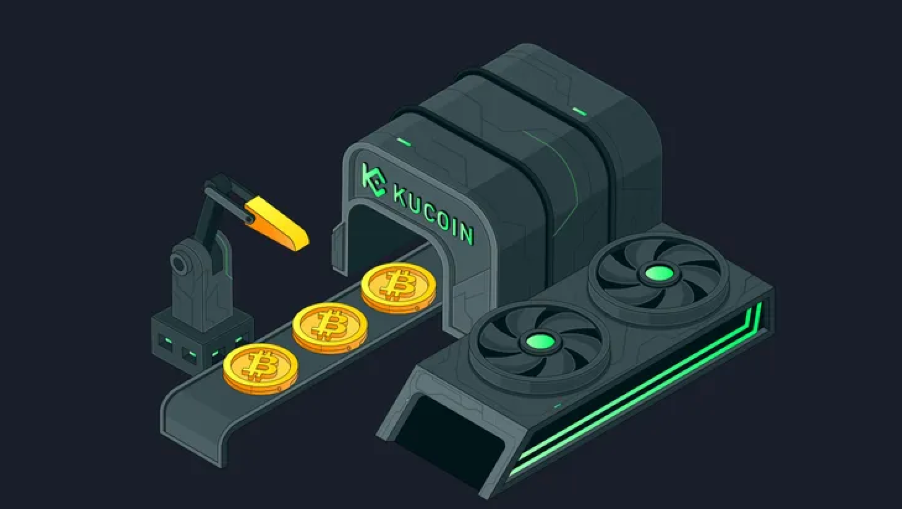
Crypto mining is a fundamental process that supports the world of digital currencies. It involves powerful computers solving intricate mathematical problems to validate transactions on a network known as the blockchain. Miners play a crucial role in this system, ensuring that every transaction is legitimate and secure. But what exactly motivates these miners, and how do they earn their rewards? Understanding these aspects can shed light on the intricacies of cryptocurrency mining.
What Is Cryptocurrency Mining?
Cryptocurrency mining serves as the backbone of many decentralized digital currencies, enabling transactions to be verified and added to the blockchain.
At its core, the mining process involves solving complex mathematical problems, ensuring network security and integrity.
Understanding cryptocurrency basics is essential for anyone seeking financial freedom, as mining not only supports the ecosystem but also rewards participants with newly minted coins, fostering innovation and independence.
See also: bellesturf
The Role of Miners in the Blockchain
Miners play a crucial role in maintaining the functionality and security of the blockchain network. Their responsibilities include validating transactions and adding them to the blockchain, ensuring transparency and trust.
How Transactions Are Verified
The process of verifying transactions is fundamental to the integrity of blockchain networks.
Transaction validation occurs through consensus mechanisms, where network participants agree on the legitimacy of transactions.
These mechanisms, such as Proof of Work and Proof of Stake, ensure that only accurate and verified transactions are added to the blockchain, fostering trust and transparency within the decentralized system.
This is crucial for users seeking financial freedom.
Rewards and Incentives for Miners
How do miners benefit from their participation in the blockchain ecosystem? They earn rewards through mining profitability, receiving newly minted coins and transaction fees.
This reward distribution incentivizes their efforts, fueling a decentralized network. As miners validate transactions, they not only secure the blockchain but also enjoy financial gains, thus embracing the freedom that comes with participating in this innovative digital landscape.
Conclusion
In conclusion, cryptocurrency mining serves as the backbone of the blockchain, where miners work tirelessly to validate transactions, secure the network, and maintain transparency. Through solving complex problems, they forge trust among users, create digital currency, and earn rewards for their efforts. As miners continue to power this decentralized financial system, they build a bridge between technology and community, enabling innovation and fostering a new era of financial possibilities for all.